

 Home
Home
In this article
A garage door that sounds like a bag of bolts on the way up is usually telling you something specific. Most of the time, the message is coming from the rollers or the tracks. These two components do the bulk of the mechanical work every time the door moves. They get no attention most of the time, and then they fail at the worst moment, mid-winter, seven in the morning, when you need to leave. Checking them once a year takes about twenty minutes and avoids most of that. Here’s what to look for.
How Rollers and Tracks Work Together
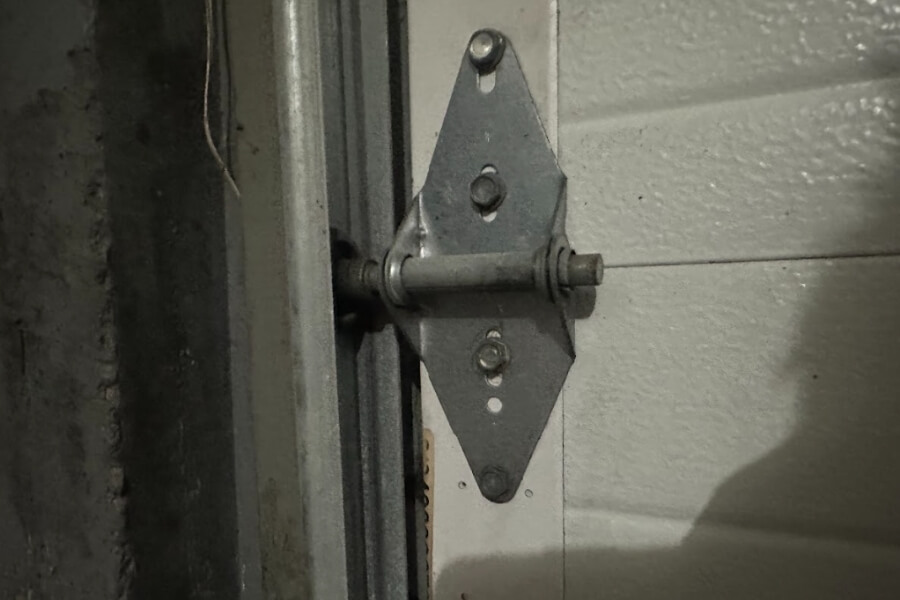
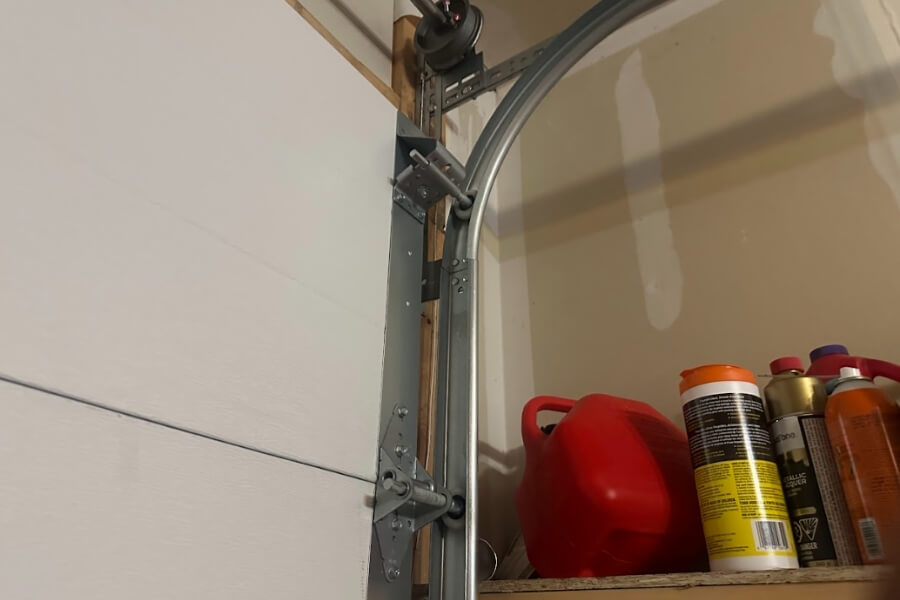
The track is a steel channel that runs vertically along both sides of the door opening, then curves horizontally overhead. The garage door rollers are small wheels, each mounted on a stem that fits through a hinge bracket on the door. The rollers ride inside the track channel as the door moves. When everything is working, the door glides smoothly in both directions. When it doesn’t, the issue is almost always friction, wear, or misalignment in this system.
The Types of Rollers
Most residential garage doors have either nylon or steel rollers. Nylon rollers are quieter and do not rust. They’re the better choice for attached garages in Ottawa where noise inside the house matters. They wear down over time and the ball bearings inside can seize. Look for cracking or flat spots on the wheel surface. Steel rollers are more common on older doors. They’re noisier and prone to corrosion. A steel roller that has started to rust will leave brown streaks on the track. Check for rough edges and any visible pitting on the wheel. The standard recommendation is to replace rollers every five to seven years on a door that gets used twice a day. If your door is eight years old and the rollers are original, they are due. If you need help deciding on if you need your rollers replaced, or any other garage door issues, reach out to us! Our technicians have been fixing garage doors in Ottawa for years, so we know what we’re doing.
What to Look for on the Tracks
The track does not move, but it still takes a beating. Here’s the annual inspection:
- Check for dents or bends. A dented track section creates a rough spot the rollers have to fight through every cycle. Small dents can be tapped out with a rubber mallet. Significant bends usually mean track replacement.
- Look for gaps at the seams. Long tracks are assembled in sections. Over time, the connecting bolts can loosen and create a small gap that the roller catches on. Tighten all the bolts along the track run.
- Check vertical alignment. Hold a level against the vertical section of track. It should be plumb. A track that has shifted outward at the top or bottom will cause the door to bind or sag to one side.
- Inspect the curve section. The horizontal-to-vertical curve takes the most stress. Cracks or deformations in this section are a sign the track needs replacing before it fails completely.
If you find an issue with track alignment, do not try to force it back into position by yourself. It’s a safety hazard that needs the proper tools and know how in order to fix it safely.
How to Lubricate the System
Lubrication is the maintenance step that makes the biggest difference. Here’s what works and what doesn’t. Use: A white lithium grease spray or a silicone-based lubricant. These stay on the surface, do not attract dirt, and work in cold temperatures. Apply to the roller stems, the hinges, and the ball bearings inside each roller. Avoid: WD-40. WD-40 is a solvent and water displacer, not a lubricant. It will clean off old grease and leave the rollers running dry within a few weeks. It also attracts grime. Do not lubricate the tracks. This surprises most people. The rollers are supposed to roll inside the track, not slide. A greased track causes rollers to slide instead of roll, which accelerates wear. Wipe the inside of the track clean with a dry rag, but leave it dry. Clean the track, lubricate the roller stems and hinges, test the door, wipe off any excess.
What Ottawa Winters do to This System
Ottawa gets temperature swings that are harder on mechanical components than almost anywhere else in Canada. The combination of salt-laden air from road treatment, freeze-thaw cycles, and damp spring conditions accelerates every form of wear described above. Steel rollers rust faster here than in milder climates. Track bolts loosen as metal expands and contracts. Lubricant that works at minus-five does not always flow freely at minus-twenty-five. A door that worked fine through fall may start grinding by February. The solution is not to wait. Getting it working again after a cold-weather failure is always more expensive than a quick fall inspection. The simplest addition to your routine, in October before temperatures drop, spray fresh lubricant on every moving point in the system. This one step extends roller life and prevents most winter binding issues.
When Call a Technician
There are a few things on this list that are genuinely not DIY territory:
- Bent tracks that won’t tap back into position. Forcing them risks cracking the steel or, worse.
- Rollers that are stuck in the track. A seized roller that won’t roll can indicate a deeper problem with the door’s balance or a bottom bracket that has failed.
- The door is off the track. Getting it back on safely requires experience with how that tension is managed. This is not a weekend project.
- The track is cracked. Hairline cracks in the track channel can fail without warning under a load. The track needs replacing, not patching.
All of these are garage door issues that require professional knowledge. Our team of garage door repair specialists in Kanata and nearby can fix your issue safely, quickly, and at a competitive rate. Reach out to us today!
Keep it moving
Rollers and tracks are unglamorous. They’re not the springs or the opener or the door itself, and they never get attention until something goes wrong. But they’re the reason your door moves smoothly or doesn’t, and they’re cheap to maintain compared to what a track repair or off-track emergency costs. Set a reminder for October. Twenty minutes, a can of white lithium grease, and a flashlight. That’s the whole job for most doors. If you find something that goes beyond a basic tune-up, our team at Berintek handles spring tension issues and track repairs across Ottawa. Call or book online to get it looked at before it stops you in your tracks.
Frequently asked questions
How do I know if my garage door rollers need replacing?
Signs that rollers are past their useful life include visible cracking or flat spots on the wheel surface, excessive vibration when the door moves, a loud grinding or rattling noise, or the door physically jerking rather than gliding. Nylon rollers that have gone dull or chalky are also near the end. If the door is more than seven years old and has never had rollers replaced, they are due for inspection regardless of symptoms.
Can I lubricate my garage door tracks?
No. Lubricating the inside of the track is a common mistake. Rollers are designed to roll, not slide, inside the track channel. Grease on the track surface causes them to slip instead of roll, which accelerates wear and can cause the door to bind or jump the track. Clean the tracks with a dry rag and leave them dry. Lubricate only the roller stems, hinges, and bearings.
My garage door is making a scraping sound. Is it the rollers or the tracks?
A scraping sound that happens throughout the full travel of the door usually points to a roller issue, debris stuck in the track, or a misaligned track section. A scraping sound at one specific point in the travel is more likely a track dent or seam gap at that location. Listen carefully for whether the sound happens at the same position every time or throughout the entire movement.